
Network Fundamentals
Build the networking knowledge needed to understand protocols, services, ports, traffic flows, segmentation, and packet analysis.
TCP/IPDNSHTTPPortsWireshark
Blue team training path
A practical pathway focused on monitoring, investigations, endpoint visibility, SIEM workflows, and security operations fundamentals.
Path overview
This path is designed for learners who want practical exposure to security operations, monitoring, investigations, and defensive security workflows.
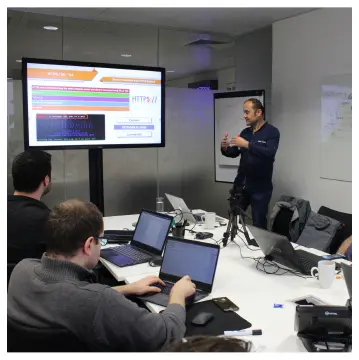
Path snapshot
Develop the practical skills needed to monitor, investigate, and respond to security events.
Level
Beginner to Intermediate
Duration
10–14 weeks part-time
Modules
6 included
Who this is for
This path is suitable for learners who want practical exposure to monitoring, investigations, SIEM platforms, endpoint visibility, and security operations workflows.
Career changers entering cyber security
IT professionals moving into SOC roles
Junior analysts building practical blue team skills
Modules included
The path combines infrastructure, endpoint security, SIEM, and monitoring-focused modules from the wider cyber security engineering curriculum.
Build the networking knowledge needed to understand protocols, services, ports, traffic flows, segmentation, and packet analysis.
Develop practical Linux knowledge including command-line usage, permissions, processes, packages, and remote access.
Understand Windows Server, administration tools, PowerShell, Active Directory, users, groups, and enterprise Windows concepts.
Learn core cyber security concepts including threats, malware, CIA triad, attacker behaviour, cyber kill chain, and IAM concepts.
Understand endpoint protection, policies, alerts, device isolation, runtime protection, threat graphs, and endpoint investigation workflows.
Develop practical monitoring and investigation skills using SIEM concepts, Splunk, log analysis, SPL, and alert workflows.
Practical work
The emphasis is on the daily investigation habits a SOC analyst needs, not just tool familiarity.
Skills you will build
The goal is to help learners understand how modern security operations teams monitor environments, investigate activity, and respond to potential threats.
Prerequisites
Foundation modules can be added or removed depending on the learner’s existing technical knowledge.
Delivery model
Learners follow structured content, practical exercises, SIEM-focused workflows, and mentor support designed to help build operational confidence.